
LEGO® SERIOUS PLAY®
Better conversations. Shared thinking. Plans people own.
Most of us recognise the meeting where one person talks too much, someone else struggles to be heard and the same voices shape the outcome. Ideas are discussed but not fully explored, decisions are recorded in notes that are quickly forgotten, and actions leave the room without clear ownership or timescales.
LEGO® SERIOUS PLAY® changes that dynamic. It is a structured, research-based, systematic method that enables people to use LEGO® to solve complex problems, explore new ideas and achieve specific objectives. It helps people think, communicate and solve problems differently.
Everyone works on the same question. Everyone thinks, everyone builds and everyone contributes.
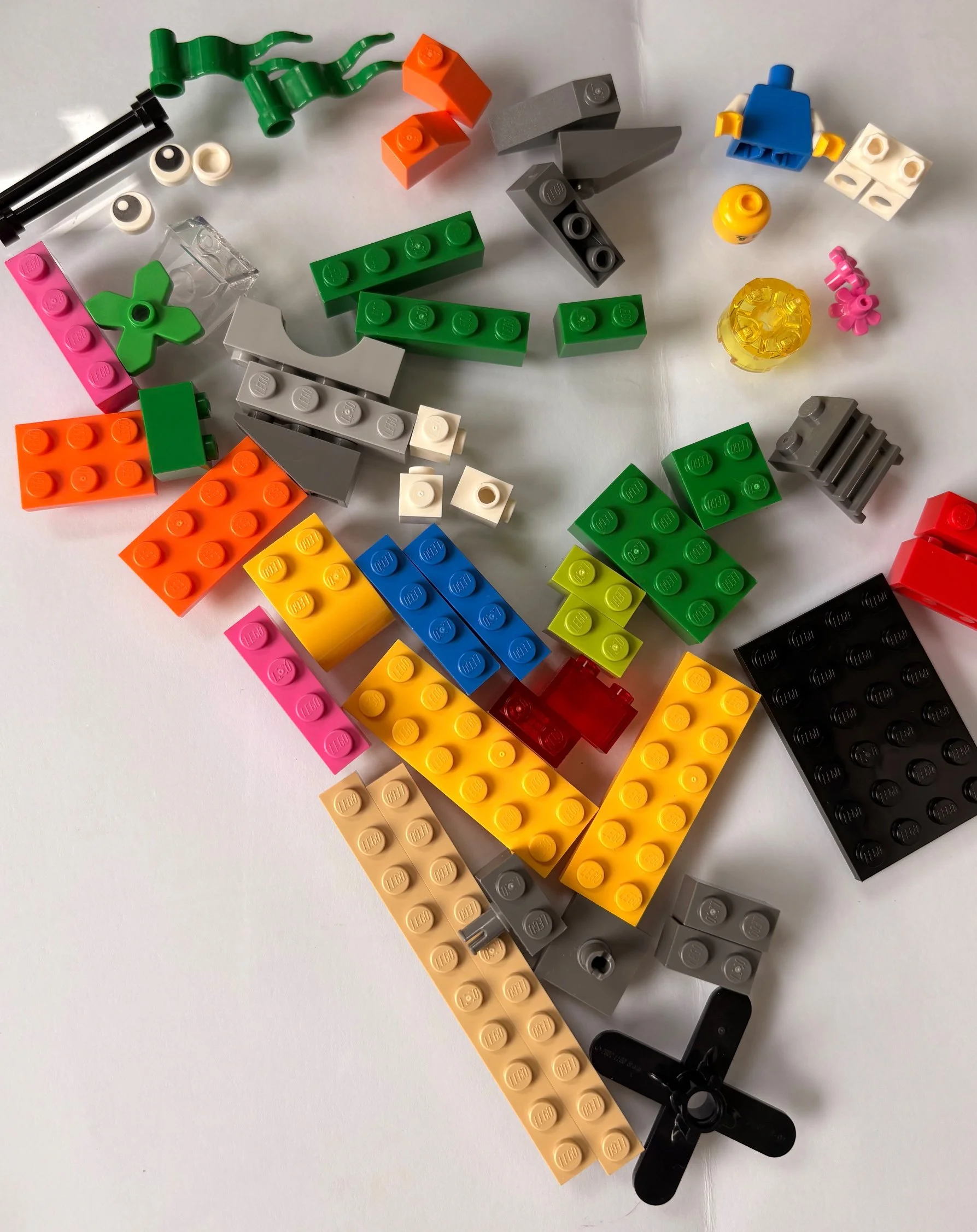
The bricks are not an icebreaker or a warm-up. They are the thinking tool.
Why building changes the conversation
LEGO® SERIOUS PLAY® is a leveller.
Rather than the quickest thinker or loudest voice setting the direction, everyone has time to develop their own response before the group discussion begins. Different perspectives are seen and explored before the group decides what matters.
Making thinking physical and visible changes the conversation:
Everyone has a voice - each person builds and explains their response to the same question.
Complex thinking becomes visible - abstract ideas, relationships and challenges become easier to see and discuss.
Different perspectives can coexist - the group can explore differences rather than rushing towards consensus.
Difficult conversations become less personal - the model becomes the focus for discussion, helping reduce some of the emotion around sensitive issues and change.
Assumptions become easier to challenge - people can question what they see and explore alternatives together.
The final plan belongs to the group - people can see where their thinking has contributed to the shared outcome, creating stronger understanding, commitment and ownership.
It is creative without requiring creative skills, structured without being restrictive, and particularly powerful when an issue is complex, sensitive or stuck.
What is it particularly good for?
Strategy & direction · Leadership alignment · Team cohesion · Defining culture & values · Growth · Market development · Customer thinking · Innovation · Succession · Change · Complex issues · Emotive issues · Stalled conversations
It can be used to answer one focused question, form the basis of a half or full-day workshop, or become part of a wider programme of work.
A workshop built around your question
Before: One or two planning conversations establish the real challenge, context, participants and outcome required.
The workshop is then designed around your organisation and the question you need to answer, rather than taken from a standard workshop template.
During: I facilitate a structured sequence of questions, individual builds, storytelling, shared models, exploration and decision-making.
Sessions can range from a focused three-hour workshop to full-day sessions and multi-day programmes.
After: The thinking doesn't disappear when the bricks are packed away.
The shared model is translated into the agreed priorities, actions, responsibilities and timescales needed to move forward. Where useful, I can capture the outputs in a written summary or plan and stay involved through follow-up facilitation, consultancy or practical delivery support.
What you leave with
The exact output depends on the question we are working on, but typically you leave with:
Clearer shared understanding of the issue, opportunity or challenge.
A visual representation of the strategy, team, business or question you have explored.
A plan people recognise themselves in because they can see how their contribution helped shape it.
Agreed priorities and actions with ownership and timescales rather than another set of meeting notes.
Stronger understanding across the group of different perspectives and why decisions have been made.
Greater commitment to what happens next because the plan has been built together rather than handed down.
The bricks are the tool. The outcome is what matters.
Putting LEGO® bricks on a table doesn't automatically create a better workshop.
The value comes from asking the right questions, designing the right process and knowing when to challenge the thinking, explore something further or move the group towards a decision.
That's where my wider business and leadership experience matters.
I use LEGO® SERIOUS PLAY® where it will help people think differently and reach a stronger outcome, alongside other facilitation and business tools where they are better suited to the question.
The methodology serves the challenge, not the other way round.
After the workshop some clients leave with everything they need to take the plan forward themselves. Others ask me to help develop the thinking, facilitate the next stage, make useful connections or provide consultancy, project, interim or fractional capacity to help move from plan to delivery.
How it works
-
After a few warm-up builds that get everyone comfortable with building, thinking creatively and properly listening to each other, we move on to addressing the question, issue or outcome wanted.
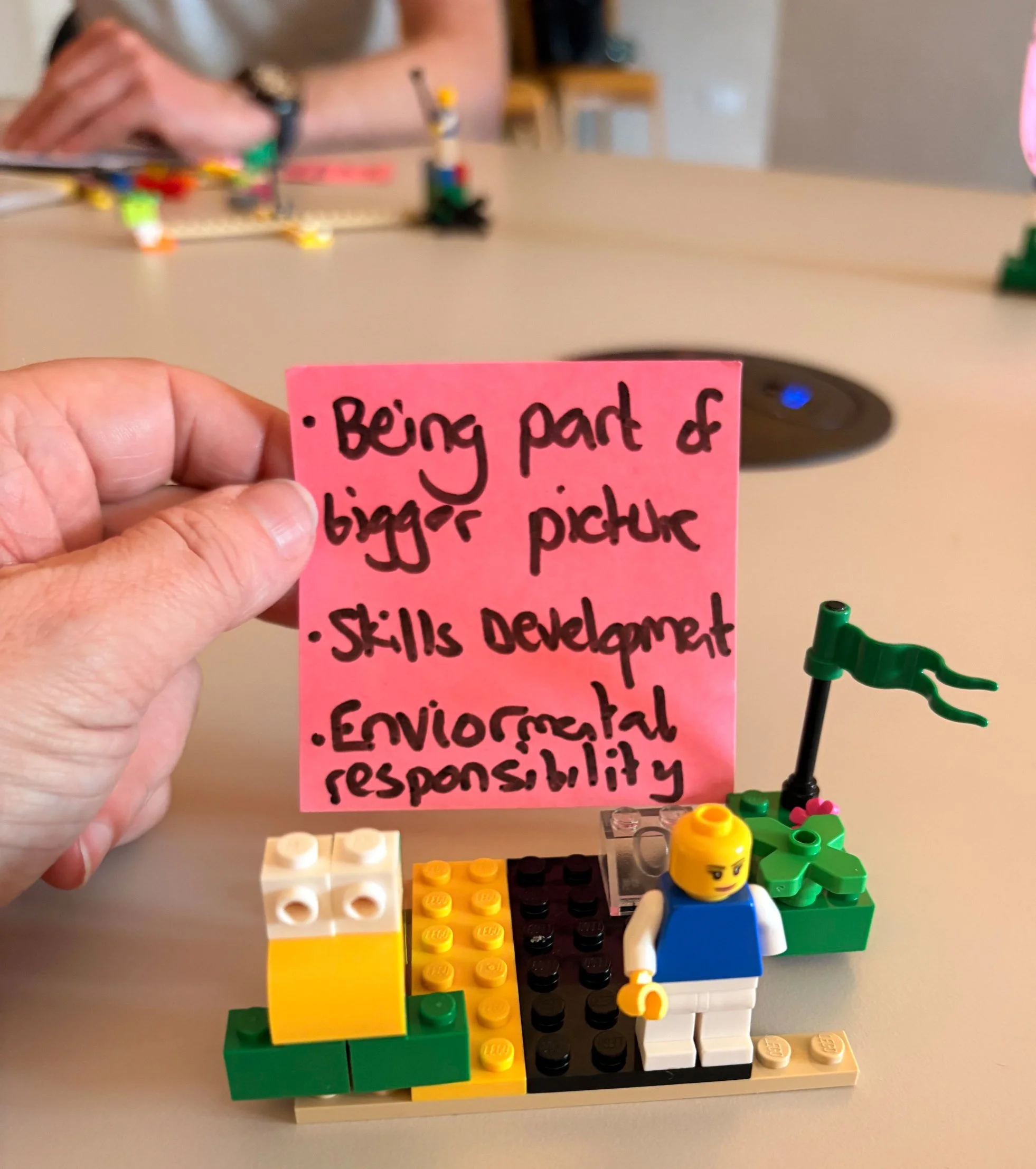
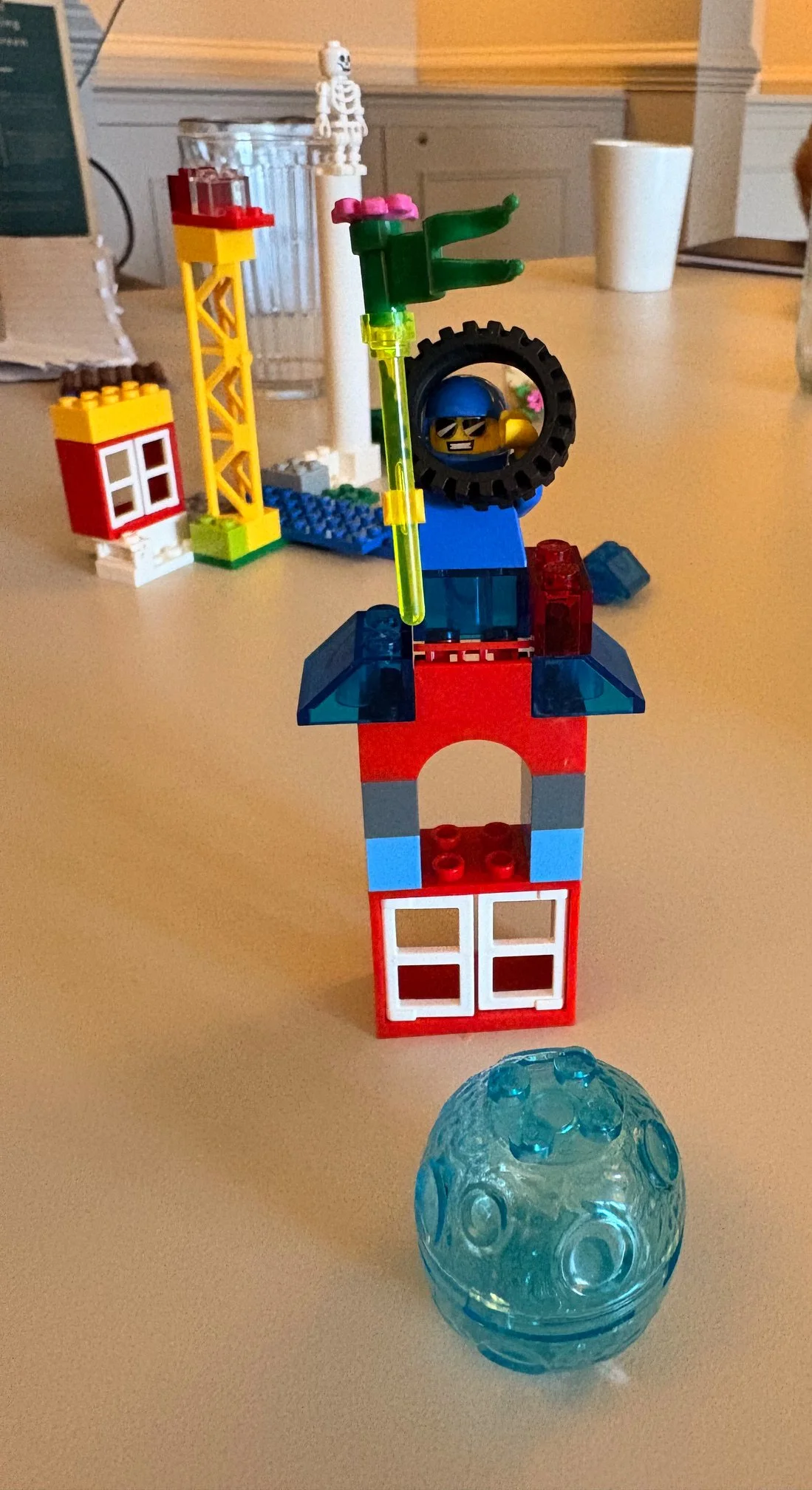
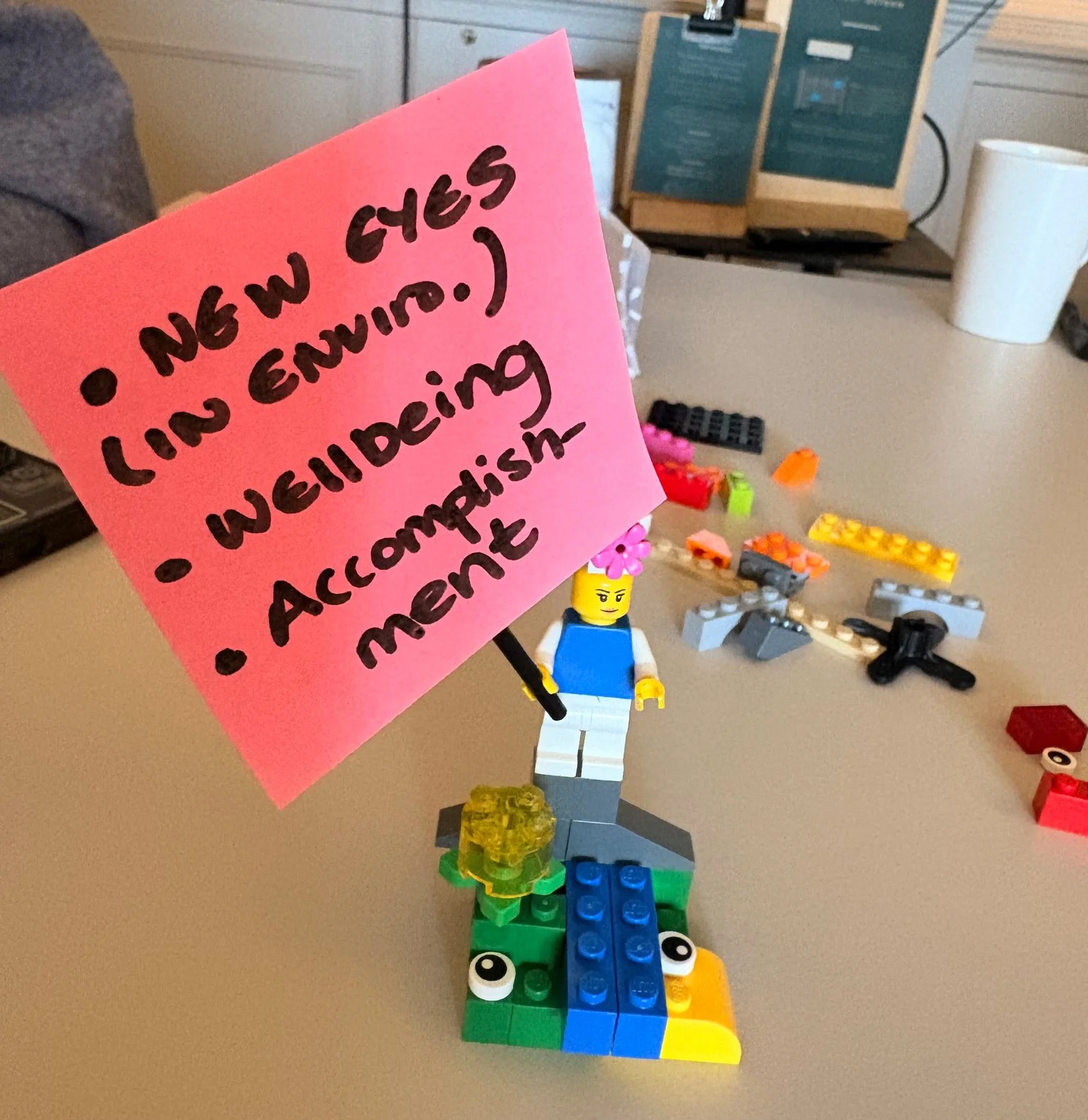
Individually, participants build models that represent their own perspectives, ideas and experience.
-
Each person explains the meaning and thinking behind their model. They explain the reasons behind the bricks they have used and their meaning in relation to the question.
-
The group asks each other questions about their models and explanations, notices patterns, explores differences and uncovers assumptions.
-
Elements of the individual ideas are brought together based on the patterns, differences and unique ideas valued by the group. Some new ideas come about, and these are all brought together into a shared picture.
-
The shared thinking is translated into priorities, decisions, actions, ownership and timescales.
Frequently asked questions
-
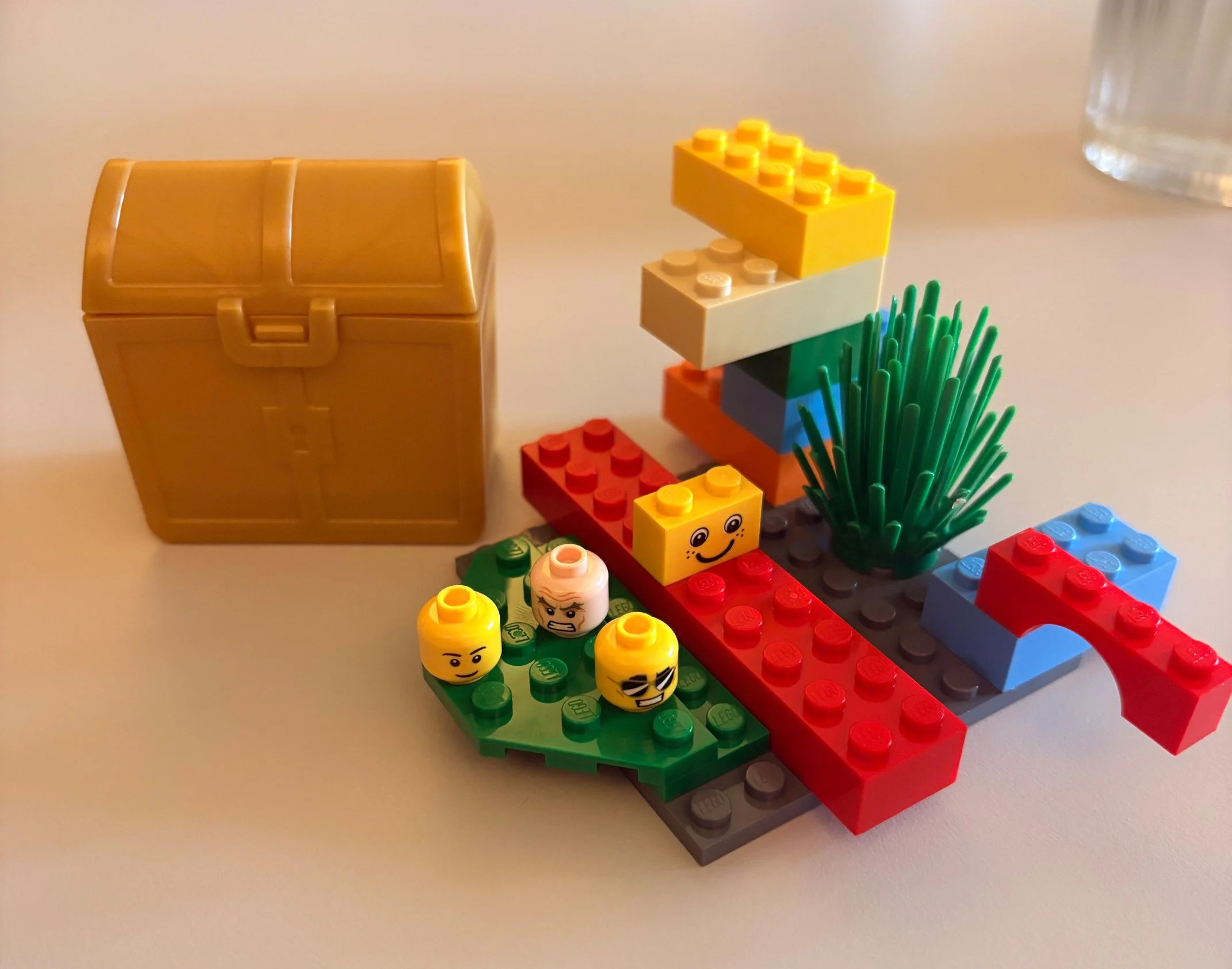
No. No previous experience is needed and there is no prize for the best model. The meaning matters, not what it looks like. In fact, models are often fairly abstract rather than accurate depictions of something.
-
Yes. It is particularly useful where experienced people hold different perspectives and the usual meeting format isn't getting beneath the surface.
-
Yes. The method is sector-neutral because it draws on the people in the room and their knowledge. The questions and workshop design are tailored to your organisation and what you need to achieve.
-
Online works well if everyone involved has a camera and is able to access Zoom or Teams. Mixed mode participation isn’t impossible but requires very detailed planning and is generally not recommended.
-
Anything from a very small team to a much larger group or conference session. The format and facilitation approach change according to the number of participants and the outcome required.
-
No, I have everything you need.
-
That depends on what you need.
Some clients leave with everything they need to take the plan forward themselves. Others ask me to help develop the thinking, facilitate the next stage, make useful connections or provide consultancy, project, interim or fractional capacity to help move from plan to delivery.